

N-acetylcysteine (NAC) supplement bottle.. (Ringlein, 2026)
Why Is Everyone Talking About NAC for PCOS?
If you have been researching natural fertility support for PCOS, you have probably seen the supplement NAC come up again and again. NAC stands for N-acetylcysteine, and it has been widely studied for its ability to improve ovulation and pregnancy rates in women with polycystic ovary syndrome. In fact, some clinical studies have found that women taking NAC experienced higher rates of ovulation and pregnancy compared to those taking Metformin (Thakker et al., 2015). Research supports the efficacy of NAC because NAC works because it supplies cysteine, an amino acid that helps the body produce one of its most powerful antioxidants.
But here is the question that always makes me pause for a moment. If NAC works because it delivers a specific nutrient to the body, could we potentially provide that same nutrient through food? The short answer is yes, at least in part. Once you understand what cysteine actually does inside the body, the conversation shifts from pills to something much more interesting. Real food.

Pathway illustrating how N-acetylcysteine (NAC) supports glutathione production through cysteine, helping reduce oxidative stress associated with ovulatory dysfunction in polycystic ovary syndrome (PCOS). (Ringlein, 2026)
The Role of Oxidative Stress in PCOS Infertility
One of the underlying drivers of PCOS related infertility is oxidative stress. Women with PCOS have been shown to exhibit elevated inflammatory markers along with reduced antioxidant capacity, both of which contribute to impaired ovulation and reduced pregnancy outcomes (Sandhu et al., 2021) Oxidative stress occurs when there is an imbalance between harmful molecules called free radicals and the body’s ability to neutralize them with antioxidants. Over time, this imbalance can affect hormone signaling, inflammation levels, and even the quality of developing eggs.
This is where NAC enters the conversation. NAC provides the amino acid cysteine, which the body uses to create glutathione.
Glutathione is often called the body’s “master antioxidant” because it protects cells from oxidative damage and helps regulate inflammation. Research has shown that women with PCOS who received NAC supplementation had significantly higher rates of ovulation and pregnancy compared to those receiving a placebo (Thakker et al., 2015). In other words, improving antioxidant balance may play a meaningful role in restoring reproductive function. Women with PCOS have been shown to exhibit elevated inflammatory markers along with reduced antioxidant capacity, both of which contribute to impaired ovulation and reduced pregnancy outcomes (Sandhu et al., 2021)
Cysteine and the Body’s Natural Antioxidant Defense
To understand why NAC works, we need to look at cysteine itself. Cysteine is a sulfur containing amino acid that acts as a precursor for glutathione production. A precursor simply means a building block. Without cysteine, the body cannot efficiently produce glutathione. Glutathione helps protect cells from oxidative stress, supports detoxification pathways, and plays an important role in maintaining healthy cellular function. According to the National Center for Biotechnology Information, cysteine is essential for the synthesis of glutathione, which protects cells from oxidative damage and inflammation (National Center for Biotechnology Information, 2024). When glutathione levels are supported, the body has a stronger defense against the types of inflammation and oxidative stress often associated with PCOS.
So when researchers give women NAC supplements, they are essentially delivering cysteine in a concentrated form. That raises a very interesting possibility. If cysteine is the real star of the show, could whole foods provide the same building blocks?
Pasture Raised Eggs as a Natural Source of Cysteine
One of the most efficient whole food sources of cysteine is something surprisingly simple. Eggs. Specifically, high quality whole eggs. Eggs contain measurable levels of cystine, which is a closely related form of cysteine, along with important nutrients such as choline and healthy fats that support cellular health. Nutrient data from the U.S. Department of Agriculture shows that whole eggs provide both cystine and significant levels of choline, two nutrients that play roles in metabolic and cellular processes.
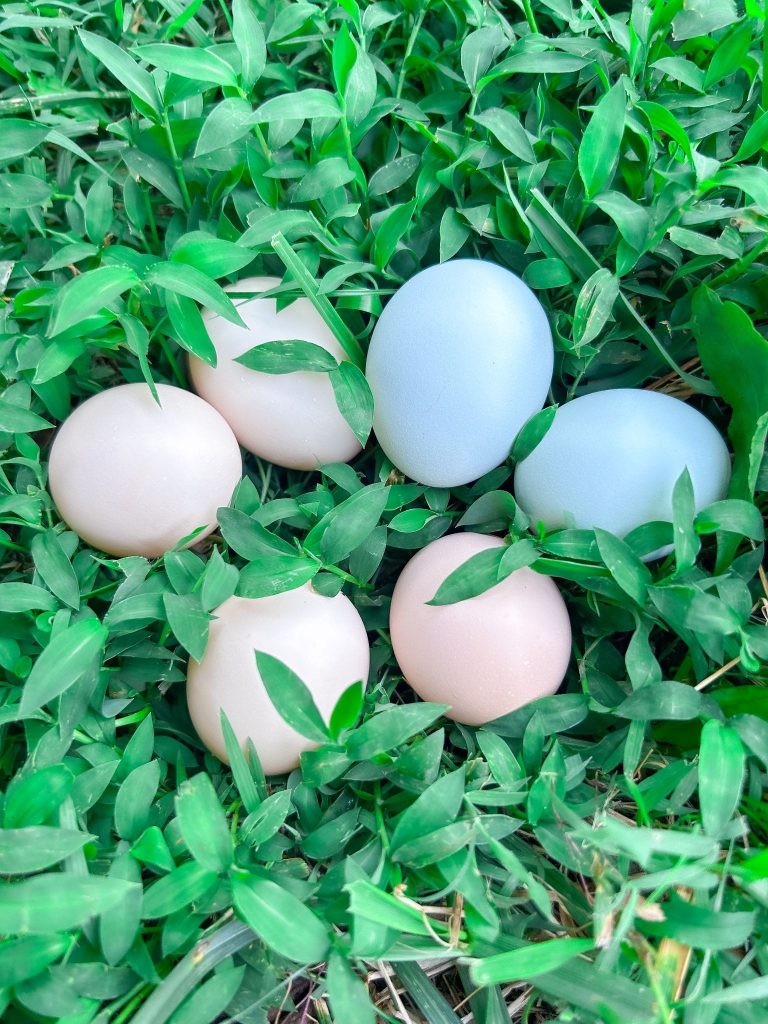

Farm fresh chicken, eggs representing whole-food sources of cysteine used to support glutathione production. (Ringlein, 2026)
What makes eggs particularly interesting from a nutritional standpoint is the way their nutrients work together. Instead of delivering a single isolated compound, eggs provide a complete nutritional package that includes amino acids, fat soluble vitamins, and supportive nutrients that help the body absorb and utilize them effectively. In other words, nature rarely delivers nutrients in isolation.
How to Incorporate Cysteine Rich Foods Into Your Diet
Supporting cysteine intake through food does not have to be complicated. In many cases, it can start with simple meals that prioritize whole, nutrient dense ingredients.
Egg based breakfasts are an easy place to begin. Scrambled eggs with sautéed greens or an omelet with vegetables provides both protein and antioxidant supporting nutrients. Eggs can also be added to lunch bowls, salads, or simple dinners like egg drop soup made with bone broth. Pairing eggs with vegetables such as onions, garlic, or broccoli can provide additional sulfur containing compounds that support the body’s natural detoxification pathways.
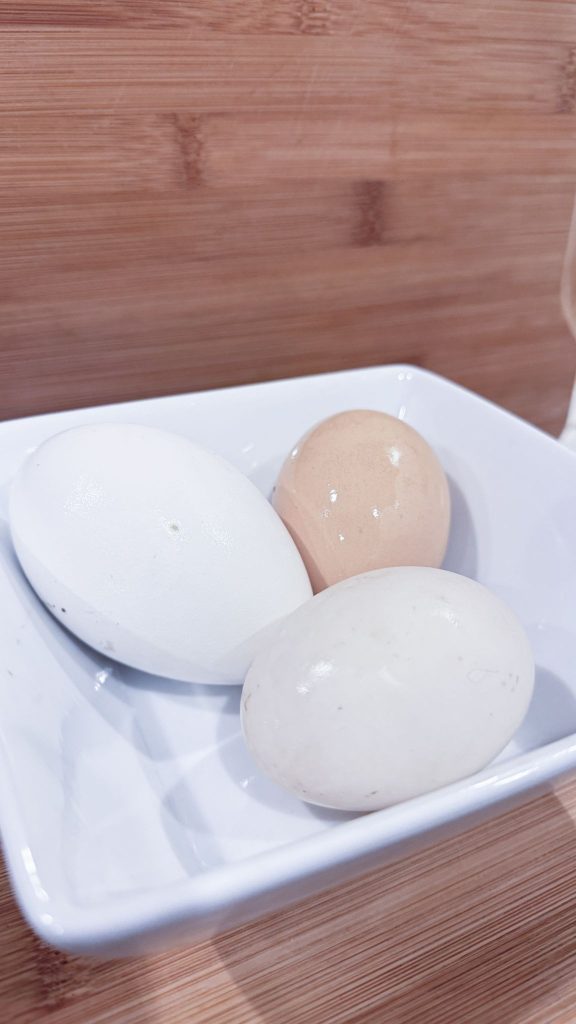
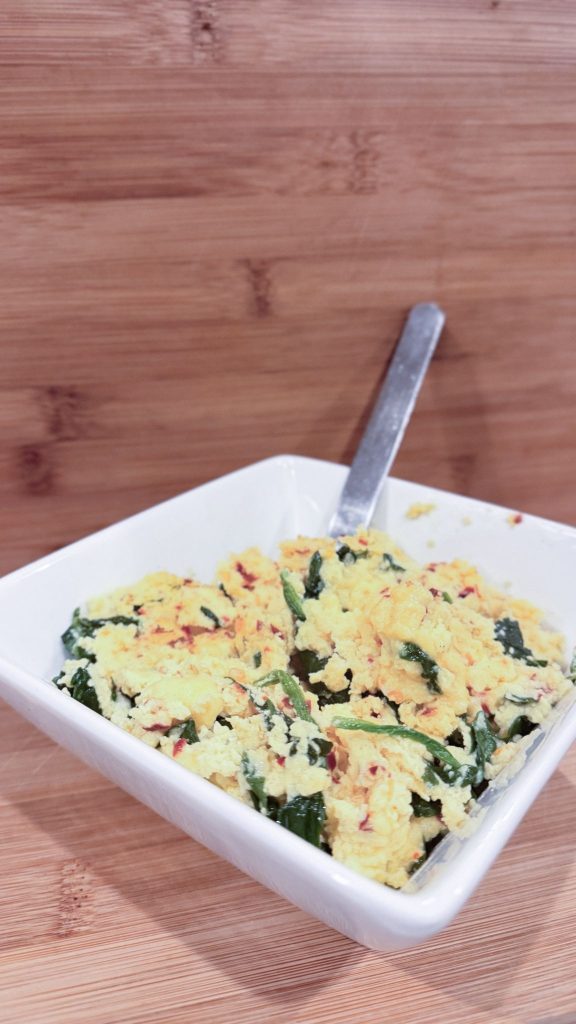

Easy Scrambled egg meal using duck, chicken and goose eggs. (Ringlein, 2026)
The goal is not necessarily to replace medical treatment or supplements overnight. Instead, it is about understanding how nutrition can support the same biological systems that many supplements are targeting.
So…Can Food Actually Replace NAC?
NAC has gained attention in the fertility world because research shows it can improve ovulation and pregnancy outcomes in women with PCOS. However, the supplement itself is simply delivering cysteine, the amino acid needed to produce glutathione and support antioxidant defenses. Once we understand that biochemical pathway, it becomes clear that food can play an important role as well.
Whole foods like eggs provide cysteine along with a broader matrix of supportive nutrients that work together inside the body. While no single food replaces a supplement on its own, building a diet that supports these pathways may help create the biological conditions needed for improved reproductive health. Sometimes the most powerful tools for supporting the body are not found in a bottle, but in the foods that have been part of traditional diets for generations.
References
National Center for Biotechnology Information. (2024). PubChem compound summary for CID 5862, L-cysteine. https://pubchem.ncbi.nlm.nih.gov/compound/L-cysteine
Sandhu, J. K., Waqar, A., Jain, A., Joseph, C., Srivastava, K., Ochuba, O., Alkayyali, T., Ruo, S. W., & Poudel, S. (2021). Oxidative stress in polycystic ovarian syndrome and the effect of antioxidant N-acetylcysteine on ovulation and pregnancy rate. Cureus, 13(9), e17887. https://doi.org/10.7759/cureus.17887
Thakker, D., Raval, A., Patel, I., & Walia, R. (2015). N-acetylcysteine for polycystic ovary syndrome: a systematic review and meta-analysis of randomized controlled clinical trials. Obstetrics and gynecology international, 2015, 817849. https://doi.org/10.1155/2015/817849
U.S. Department of Agriculture. (2019). FoodData Central: Egg, whole, raw, fresh.https://fdc.nal.usda.gov/fdc-app.html#/food-details/171287/nutrients
Ringlein, W. (2026). Original photographs and animation used in “Can Food Replace NAC for PCOS Fertility?” [Photographs and animation]
